Can You Install Solar Panels on Shady Roofs?

Solar panels can still be installed on shaded roofs, though performance depends on how much sunlight reaches the system throughout the day. Trees, nearby buildings, and roof orientation all play a role in shaping energy output, but modern technology and careful planning can help offset some of these limitations. For properties considering a solar rooftop, understanding how shade affects efficiency is an important step in setting accurate expectations.
If you’re considering solar for your home, working with an experienced installer can help you evaluate your roof and identify practical solutions. Solarsimple provides guidance on system design, placement, and performance across Fairfax County, VA. Our team handles every stage of solar panel roof installation, helping you move forward with a clear plan and realistic expectations. To request your free custom collar panel design, call (540) 523-1492 today!
Below, we discuss installing solar panels on shady roofs:
How Does Shade Affect Solar Panel Performance?
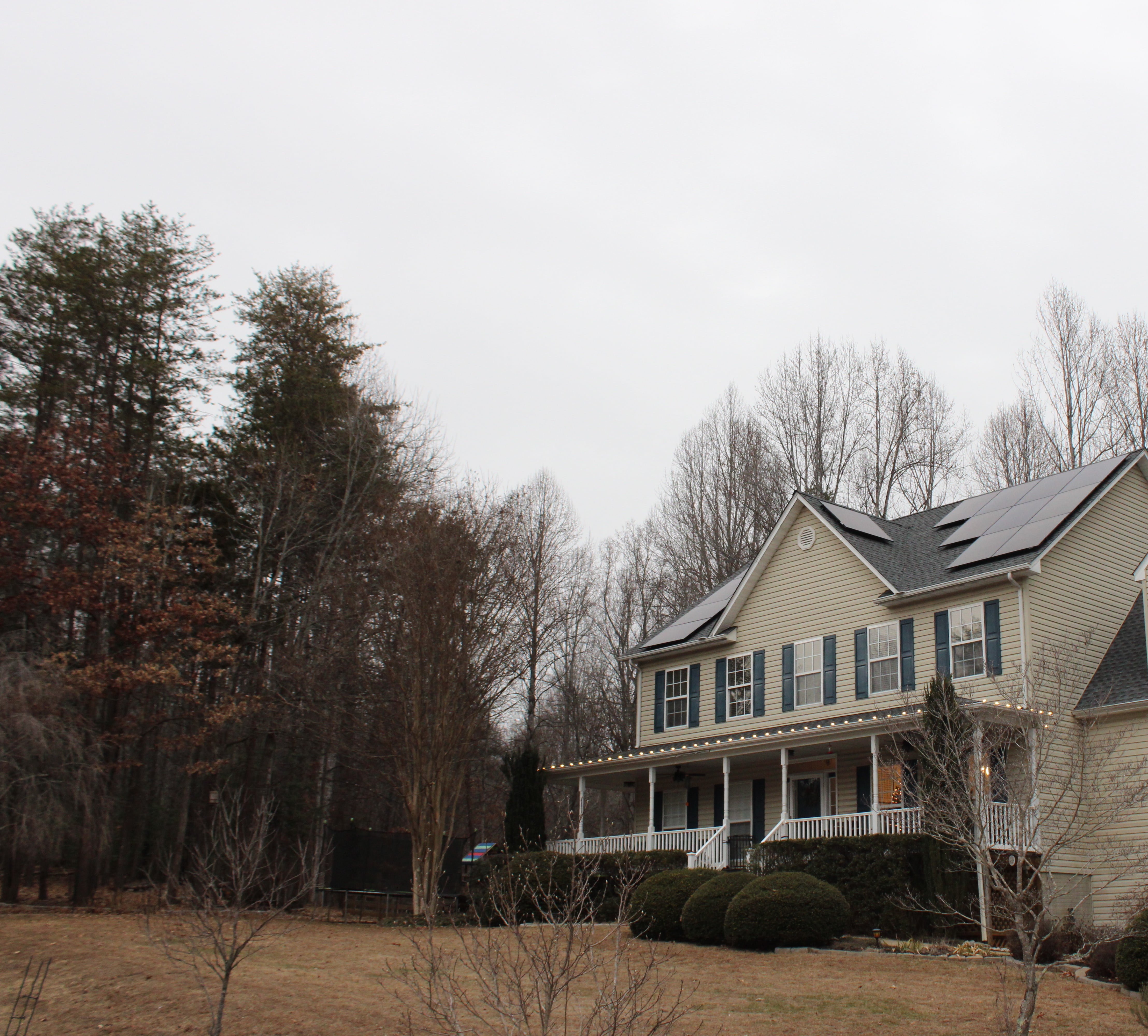
Solar panels depend on consistent sunlight to produce electricity, and shaded areas can interrupt that process. Partial shading can reduce output across connected panels, depending on system configuration. This reduction can vary throughout the day as the position of the sun changes and shadows shift.
Modern equipment such as microinverters and power optimizers allows panels to operate more independently, reducing the impact of uneven sunlight. These technologies improve performance, though heavily shaded roofs may still generate less energy compared to roofs with full sun exposure. Careful system design helps account for these variables and supports more stable output.
What Roofs Do Solar Panels Not Work On?
Some roof types and conditions limit the effectiveness of solar systems or make installation less practical. Identifying these challenges early can help avoid performance issues after installation.
Common challenges include:
- Complex roof layouts with limited usable surface area
- Aging roofs that require repair before installation
Addressing these factors early helps determine the most effective path forward. A professional evaluation can also identify opportunities to improve conditions before installation.
Where Should You Not Place Solar Panels?
Solar panel placement has a direct impact on system output. Panels installed in low-exposure areas may not generate enough energy to justify the investment. Small placement adjustments can make a noticeable difference in long-term performance.
Areas to avoid include:
- Sections blocked by trees or nearby structures
- Locations near obstructions such as a solar roof vent that cast shadows
- Roof surfaces facing away from optimal sunlight angles
- Spots where debris or buildup may reduce efficiency
Thoughtful placement supports consistent energy production and better long-term results. Strategic positioning helps maximize the return on your solar investment.
Can Shady Roofs Still Support Solar Panels?
Shaded roofs can still support solar systems in some situations, though performance varies based on the extent and timing of shade. Partial shading may allow for functional system output with the right design approach, while heavy shade can significantly reduce energy production. Each property requires an individual assessment to determine expected results.
Installers typically evaluate sun exposure patterns, seasonal changes, and surrounding obstacles before recommending a system layout. Adjustments such as trimming trees or repositioning panels may improve results, depending on site conditions. These steps help create a more efficient and reliable system over time.
Solarsimple Delivers Solar Rooftop Fairfax County, VA, Solutions
Solar projects require careful planning, especially in areas with shade or structural limitations. Solarsimple provides customized solar rooftop solutions designed around your Fairfax County, VA, property’s unique conditions. Our team also offers system assessments, design optimization, and ongoing support to help maintain long-term performance. To request your free custom collar panel design, call (540) 523-1492 today!