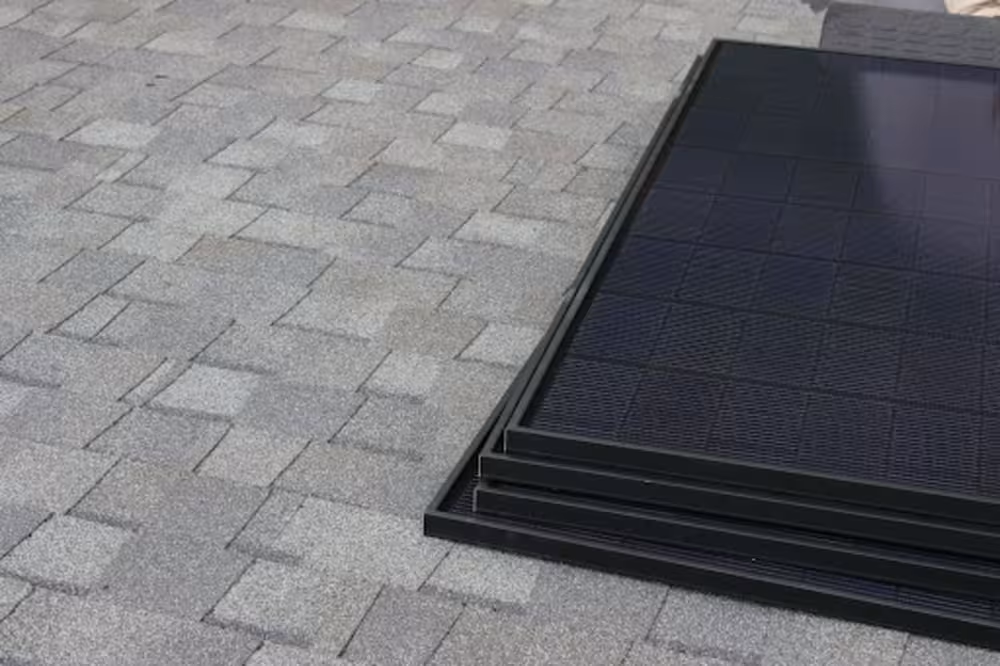
Solar systems are engineered for long-term performance, but even the best equipment requires periodic evaluation to operate at peak efficiency. When production dips or electric bills rise unexpectedly, a professional service visit provides clarity by identifying issues that are often invisible to homeowners. When scheduling and discussing with local solar companies, understanding what a service visit actually includes ensures concerns are addressed through data, diagnostics, and expert analysis – not guesswork.
Solarsimple approaches every Amissville, VA, service visit with the same precision and transparency used during system design and installation. Our technicians evaluate performance data, electrical components, roof-mounted hardware, and homeowner usage patterns to deliver clear, actionable insight. By working with Solarsimple, homeowners gain a trusted partner focused on protecting system performance, energy savings, and long-term reliability. To request a free custom solar panel design, call 540-709-9722 today!
Below, we discuss what solar panel servicing actually looks like:
1. Reviewing System History and Performance Data
A solar service visit starts with data, not tools. Before accessing the system physically, technicians review historical production data through the monitoring platform to understand how the system has performed over time. This includes identifying gradual declines, sudden drops, irregular production cycles, or discrepancies between expected and actual output based on system size and orientation.
This step is critical because many performance issues are invisible from the roof. Software data helps isolate whether the issue is likely electrical, environmental, mechanical, or usage-related. By narrowing the scope early, technicians avoid unnecessary roof access and focus their on-site inspection on confirmed problem areas rather than speculation.
2. Inspecting Panels and Roof-Mounted Components
Once on-site, technicians conduct a methodical visual inspection of every accessible panel. They look for cracks, chips, discoloration, delamination, and debris buildup that can restrict sunlight absorption. Even partial shading on one panel can reduce output across an entire string, making this inspection essential for accurate diagnosis.
Mounting hardware, rails, and roof penetrations are inspected at the same time. Proper solar panel roof installation ensures panels remain secure without compromising roof integrity, but fasteners can loosen over time due to temperature changes and weather exposure. Technicians verify that flashing remains sealed and that mounting systems continue to protect both the panels and the roof structure.
3. Testing Inverters, Wiring, and Electrical Connections
Electrical diagnostics are one of the most technical components of a service visit. Technicians inspect inverters for fault codes, communication interruptions, and performance irregularities that may indicate internal component wear or grid-related issues. Since the inverter converts solar energy into usable electricity, even minor issues here can significantly affect output.
Wiring, junction boxes, and conduits are also examined for signs of corrosion, rodent damage, loose connections, or improper grounding. These issues pose both efficiency and safety risks. Identifying electrical problems early helps prevent system shutdowns, arc faults, or long-term degradation that could require costly repairs later.
4. Investigating Why Electric Bills May Still Be High
Many homeowners schedule service visits after noticing higher-than-expected electric bills. Technicians assess whether the system is producing as designed and whether household energy usage has changed since installation. New appliances, electric vehicles, heat pumps, or increased occupancy can all increase demand beyond what the system was originally designed to offset.
The service visit includes explaining how solar interacts with grid electricity rather than replacing it entirely. Billing structures, seasonal production changes, and time-of-use rates are reviewed to provide clarity. This education helps homeowners distinguish between system performance issues and normal consumption shifts, preventing unnecessary concern.
5. Reviewing Monitoring Software and Solar Program Enrollment
Monitoring software is only effective when it is properly configured and understood. Technicians verify that the system is actively reporting data, that alerts are enabled, and that homeowners can access accurate performance information. Outdated firmware or disconnected monitoring can create the false impression of underperformance.
Enrollment in a solar program, such as net metering or utility incentives, is also reviewed. Incorrect settings or utility-side issues can affect billing credits even when production is normal. Confirming program participation ensures homeowners receive the financial benefits their system is designed to deliver.
6. Performing Preventive Maintenance and Minor Adjustments
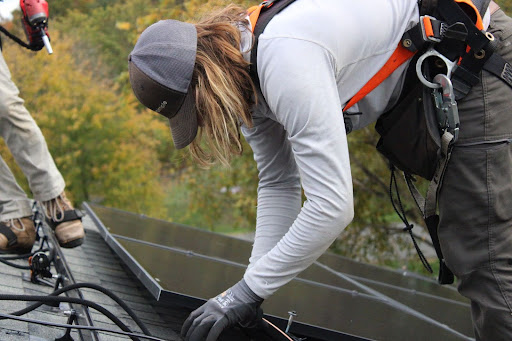
Preventive maintenance is a proactive component of every service visit. Technicians tighten mounting hardware, secure wiring, replace worn connectors, and clear debris from panels and drainage paths. These actions help maintain consistent performance and prevent small issues from escalating.
While solar systems are durable, exposure to weather, wind, and temperature fluctuations causes gradual wear. Addressing minor issues during routine service reduces the likelihood of emergency repairs and extends the system’s operational lifespan.
7. Assessing Environmental and Site Changes
Solar systems are designed based on site conditions at the time of installation; however, those conditions can change over time. Tree growth, new construction, roof aging, or changes in reflective surfaces can alter how sunlight reaches the panels. Technicians evaluate these factors during a service visit.
When environmental changes are identified, technicians discuss realistic options with homeowners. This may include trimming recommendations, panel reconfiguration, or updated production expectations. Addressing site changes ensures system performance aligns with current conditions rather than outdated assumptions.
Lower Your Operating Costs with a Trusted Solar Installation Company in Linden, VA
Solar power offers long-term savings, financial incentives, and protection from rising utility rates, making it one of the smartest investments a business can make. At Solarsimple, a local solar installation company, our team delivers high-efficiency systems for Linden, VA, homeowners that maximize performance and return on investment. To get your free custom solar panel design, call 540-709-9722 today!